 We harvested all of our potatoes a few weeks back and spent the afternoon plowing our potato patch to ready it for next year. Our potato patch is only about 10 by 25 feet. We bought a used tractor earlier this year and it’s huge. As we were running our cultivator back over and over our tiny potato patch, I told my husband that the ‘real’ farmers who live all around us would laugh themselves silly at us with our giant tractor working the tiny plot of land. Despite all of our effort, we evidently left a potato or two in the ground as there are a few plants coming up. We’ll just leave them to see what happens over the winter, or maybe dig them up and replant them inside the greenhouse as an experiment. We’ve got a new raised bed in there. It’s empty right now, begging for some dirt and some seeds and plants for overwintered vegetables. Gotta add that to the list…
Resilient
22 Oct 2010 Leave a comment
I Once Raised Hairless Cats
21 Oct 2010 1 Comment


The breed is called sphynx and they are fantastic cuddlers because they’re always chilly. I bred and showed them but eventually gave it up. The cat show circuit isn’t as fun as you would think and we didn’t enjoy having an intact male in the house. His official name was Scaredycats Sphynx Turquoise Blue, but we called him Turd Ferguson because he left ‘presents’ everywhere. We kept one cat, Gypsy, who eventually succumbed to a heart condition. So… we’re left with lots of cat gear and no cats. I read somewhere that enclosed litter pans are good nesting boxes for chickens. A little bleach and elbow grease later and we’ve repurposed them. Our chickens have the privacy they insist on for laying, and we didn’t have to build nesting boxes for the ladies. A good outcome, I must say.
The Most Beautiful Goat in the World
19 Oct 2010 3 Comments
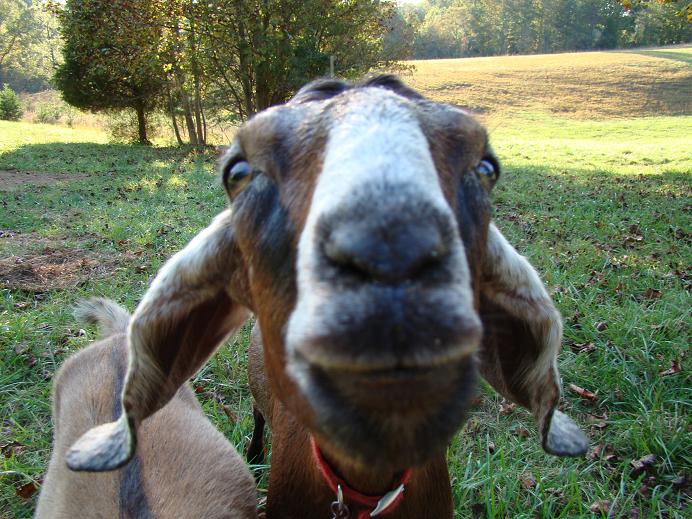 We got our first purebred nubian dairy goats from a local producer and friend. She let me come out a few months before the goatlings were ready to go from their mothers to pick them out. I fancied right off a lovely brown one and reserved her for later pick up. When the time came to get her, my friend who shows her goats expressed regret about agreeing to let this brown one go because she ended up being exceptional quality for show. I offered to pick another one but she insisted we take her but you could tell she was sorry she’d let her go. I asked my daughter on the way home what should we call the most beautiful goat in the world, because that’s who I felt we were taking from our friend. She responded Helen, as in Helen of Troy. I told her to keep thinking, that’s a terrible name for a goat! We got her home and took some photos of her. I shared one of the photos with a friend from GA the next morning. She said “wow, she looks so regal in that photo, you should name her Helen after Helen Mirren in that movie The Queen.” So… the universe named her, and she’s Helen.
Red Light Green Light
18 Oct 2010 2 Comments
Feathers and Tethers
17 Oct 2010 4 Comments
Today was the day we put our chickens in the freezer (we bring them over to our small barn work area and tether, or tie, one foot to the fence so they can’t fly away). Don’t worry, I won’t show any photos of the process, but I thought I would say a few words about it. A good friend and her husband from NC visited us on Friday. She said she loves chicken but hasn’t been able to eat it since she saw the Food Inc. excerpt on the Oprah Winfrey show which featured how chickens are cared for and treated in commercial chicken operations. I get that. One of the things we love about having our farm is caring for our animals and knowing where our food comes from. When we first got poultry last year, we had no clue how to kill a chicken. Our suburban upbringing didn’t include those kind of lessons. We actually bought a DVD (available for cheap if anyone wants a used chicken killing DVD!). The first time we slaughtered a bird, we had our vet come over and show us the best way to humanely kill it. Here’s a hint… it doesn’t involve either wringing it’s neck or chopping it’s head off and letting it run around the yard. Our freezer’s full again. We’re pretty proud of the job we’re doing here, and our friend from NC says she’ll come eat our chicken any time!
Before She Became the Queen of Our Farm
15 Oct 2010 Leave a comment
 Jenna was a herding trial dog owned by training expert and author Vergil Holland and his wife Annemarie. She was one of their favorites. Vergil told us Jenna loves to ride in the car (it’s true!) because they had logged over 100,000 miles together going to herding trials. We have one photo of her during those days. We knew she herded sheep and cattle. Evidently giant hogs, too! That’s her angry face.
Oops I Did It Again
14 Oct 2010 2 Comments
I won my third True Blood contest! This one was to develop a non-alcoholic drink using the Tru Blood beverage (a blood orange soda) and was sponsored by the company that makes Tru Blood. They commented “Your Fairy Infusion drink was great! Not only was it tasty, but it is easy to pour in a bar setting.” Here’s the winning recipe.
Fairy Transfusion
Fairy blood is completely irresistible, and so is this cocktail! You won’t be able to have just one of these tart yet sweet Tru Bloody concoctions . You’ll be compelled to order another, and another, and another…
4 oz. cranberry juice
4 oz. Tru Blood
1 oz. frozen lemonade concentrate
Prepare a frozen martini glass by dripping red gel food coloring down the interior of the glass.
Shake ingredients over ice, pour into frozen glass.
Getting Started in Beekeeping
13 Oct 2010 4 Comments

We’ve owned a starter hive for about 5 years but never had the time or the nerve to get bees to put in them. A starter hive comes with a brood box (where the bees live), a bee veil and gloves, and a few beekeeping tools. It costs around $150.
I took a beekeeping class at Organic Grower’s School in Asheville, NC last March and it gave me the nerve (that’s all we were lacking) to get started. As soon as I got home, I started calling bee suppliers and quickly learned we were (almost) too late to get bees for the year. We decided to order two packages of bees and got one of the last slots for the last pick up day of 2009 at a bee supplier about 2.5 hours from here. That date was the first weekend in May.
We drove down and hung around long enough to watch someone demo installing a package. We’ve never been around bees and don’t know any beekeepers so our Beekeeping For Dummies book was our main source of information. A package of bees comes in a wood and wire container about the size of a shoebox and holds approx. 12,500 bees and costs about $65. Everything we read said it’s important for beginners to have two hives so they have something to compare against, so we purchased another hive set up. We also bought two sets of honey chambers which are called ‘supers’, another bee veil and pair of gloves and, since they carry it, 3 cases (!) of soap base for my soap crafting. As it turns out, that was a very expensive outing!
We brought the packages of bees home in the back seat of our Camry. Having that many bees in the back seat is quite the experience. Do you have any idea how carefully you drive with 25,000 very noisy bees in the car?! We had to paint our new hive before we could install the bees, so we left them on our porch overnight while the paint dried.
Installing might as well be called dumping because that’s pretty much what you do to get the bees in the hive. Surprisingly, the bees are very docile when you dump them from the package into the hive. Once they establish their home in the hive, they are less docile. The package comes with a queen in a tiny little screened house that has a piece of hard sugar called ‘candy’ keeping her and a few worker bees inside. You use a rubber band to secure the queen’s little cottage to one of the frames inside the brood chamber and within 2-4 days the bees have eaten the candy and she’s let out to start laying. These packages are built by combining bees from different source hives and the queens are from yet another source so the idea is to introduce her slowly over a few days so she’s not attacked and killed. After you dump your bees in, fill their feeder with a mixture of sugar and water and put the lid on, you’re not supposed to peek for at least a week. During the Spring and Fall, the two hives are fed a 5 lb. bag of sugar mixed with water every week. In the Summer, they gather their own nectar courtesy of local flora to make honey. They get to keep one super of honey over the winter for their nourishment. Any honey above that first super is ours. In the Winter, you just leave them with whatever food they have stored because opening the hive lets the cold in, and bees like it toasty warm.
The best advice I got at the organic beekeeping class is to join a local beekeeping meeting. I’ve read that the one subject that has the most written about it in the history of the world is beekeeping. Meeting fellow beekeepers (many in their 70’s & 80’s) is a wonderful way to learn and have local resources to answer your questions about this fascinating & rewarding adventure. I’ll post again about our beekeeping adventures… more to come!
When You Keep Farm Animals…
12 Oct 2010 Leave a comment
You need to keep them healthy. Since they graze where they poop, parasitic worms are always a concern. We’ve found some of our animals are more susceptible to worms than others. Since we don’t want to over-medicate them, we periodically check them for anemia, which is a symptom of parasites. An easy way to do this is to check the conjunctiva around their eyes, which is bright pink to red in a healthy animal. Our goats have gotten used to this, the sheep not so much. We’ve tried a bunch of different dewormers, the most common types come in liquid form. How do you get an animal to take a teaspoon of medicine you ask? You squirt it down their throats with a special metal syringe that they can chomp on without breaking. That’s an action shot of Savannah unhappily taking her medicine. Our goats pretty much line up for their medicine. The sheep require wrangling.


Autumn Cakes
12 Oct 2010 Leave a comment
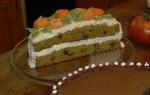
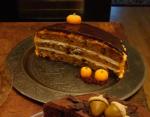
Tis the season for pumpkin raisin spice cake, milk & dark chocolate cake, cherry filled almond cake…. yum! The tiny pumpkin decorations are made from gum paste. They’re edible but cloyingly sweet. Those chocolate leaves were a pain. That project consisted of painting many layers of melted chocolate on maple leaves from our front yard. These are my 2008 & 2009 cake entries for our county fair. Every one of them earned a ribbon and were delicious. Well, except for the pumpkin ones. No one in my house will eat pumpkin so I only bake half a cake. The judging is for presentation only so I double the amounts of spices the recipe calls for. They smell heavenly but are I’m sure inedible. That pumpkin cake always turns heads when we drop it off at the fair, the scent arrives before the cake does! We always have a ‘fair turn in day’ dessert party with friends where the other cake halves and fudge and cookies get shared. It’s an annual event that everyone looks forward to.


 Missing Willow Farm